
IB 수학 IA에서 6점과 7점을 가르는 출발점은 주제 선택입니다. 이 글에서는 수학적 깊이와 확장 가능성, 그리고 학생 본인의 관심(Personal Engagement)을 함께 보여 줄 수 있는 IA 주제 7가지를 소개합니다. 주제를 고를 때 흔히 하는 실수와 채점관이 실제로 보는 부분도 함께 짚어 봅니다. 좋은 주제를 고르면 IA를 논리적으로 전개하고 분명하게 풀어내기도 훨씬 쉬워집니다.
1. 벡터와 행렬을 이용한 기하학적 변형 Geometric transformations using matrices and vectors
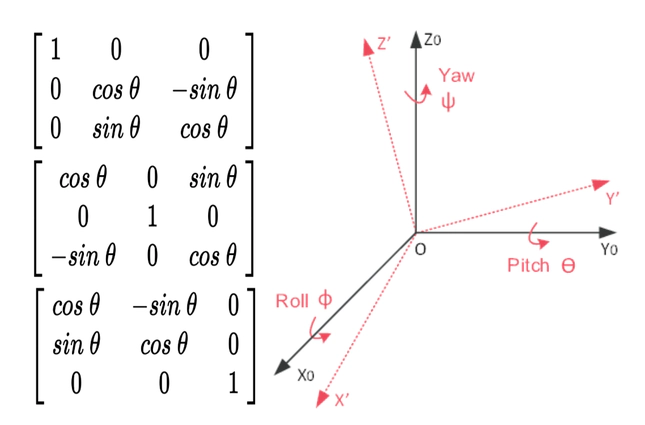
처음으로 살펴볼 주제는 행렬 곱셈을 통한 벡터의 기하학적 변형입니다. 가령 3차원 공간상에서 로켓의 속도 벡터를 x, y, z 축 기준으로 회전시킨다면 새로운 속도의 방향은 어떻게 찾을 수 있을까요? 실제로 항공학에서는 비행 물체의 회전 방향 변화를 yaw, pitch, roll의 명칭을 통해 묘사합니다.
아래의 3x3 행렬을 벡터에 곱해줄 시 3차원 공간에서 벡터의 회전을 표현할 수 있습니다.
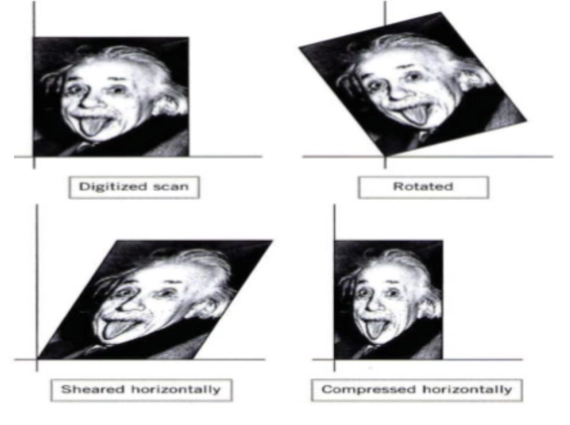
그뿐만 아니라 이미지 프로세싱에서도 기하학적 변형의 표현은 유용합니다. 아래 보이는 아인슈타인 사진은 무수히 많은 (x, y) 좌표를 가진 픽셀들로 이루어져 있습니다. 사진에 회전 (rotation), 전단 (shear), 압축 (compression) 등의 변형을 가하고 싶다면 모든 픽셀의 (x, y) 좌표에 대해 동일한 연산 처리 과정을 가해주면 됩니다.
이외에도 벡터와 행렬의 적용을 응용해 탄생시킬 수 있는 수학 IA 주제는 무궁무진합니다. 특히
- IB 물리를 수강하는 학생
- 추후 항공학, 전자공학, 컴퓨터 공학 전공에 관심 있는 학생
들에게 있어서 이 주제는 personal engagement 점수를 챙기기 위해 개인화된 스토리를 풀어나가기 적절합니다.
2. 쿠폰 수집가 문제 Coupon Collector’s Problem
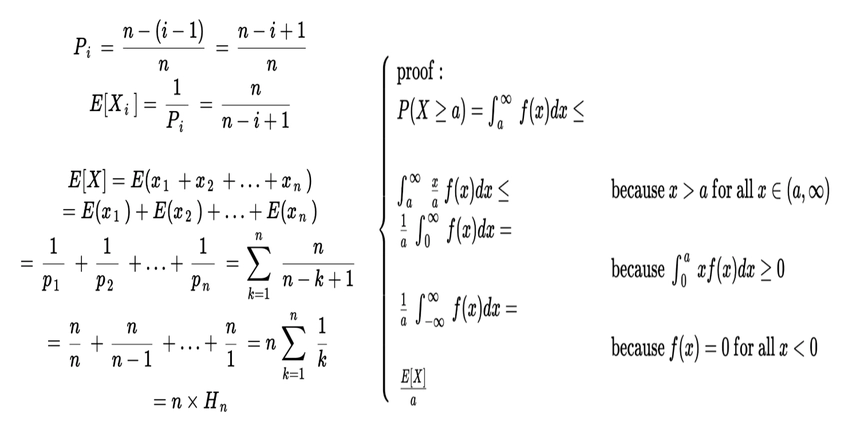
두 번째 주제로는 일상에서 접하는 가벼운 주제를 다뤄볼까 합니다. 포켓몬빵 열풍을 기억하시나요? 포켓몬 빵의 백미는 빵을 살 때 같이 딸려오는 포켓몬 스티커입니다. 이때 수학 IA 때문에 며칠 동안 고민하던 한 친구는 이런 질문을 던집니다
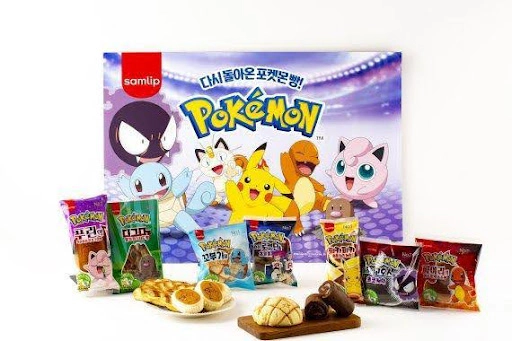
“만약 빵을 살 때 n개의 스티커 중 하나가 무작위로 나오고, 내가 n개의 스티커를 전부 모으고 싶다면 몇 개의 빵을 사 먹어야 할까?” 빵을 좋아하는 무명의 IB 학생
처음 빵을 살 때는 신규 스티커들을 쉽게 확보할 수 있겠지만, 후반부로 갈수록 아직 갖지 못한 스티커를 얻기 위해 점점 더 많은 양의 빵을 사야 할 것입니다. IB 교육과정보다 조금 심화된 통계 개념을 활용해 유도해 보면, 필요한 빵의 개수는 일정한 값으로 수렴합니다.
고득점 IA는 여기서 멈추지 않고, 한 단계 더 나아간 질문을 던집니다.
- 스티커를 무작위로 뽑지 않고 아직 확보하지 못한 스티커들을 온라인 경매를 통해 구매한다면 얼마까지의 가격이 합리적일까?
- 모든 스티커가 동일 확률로 발생하지 않는다면 문제 풀이 접근 방식은 어떻게 바뀌어야 할까?
3. 배낭 문제 Knapsack Problem
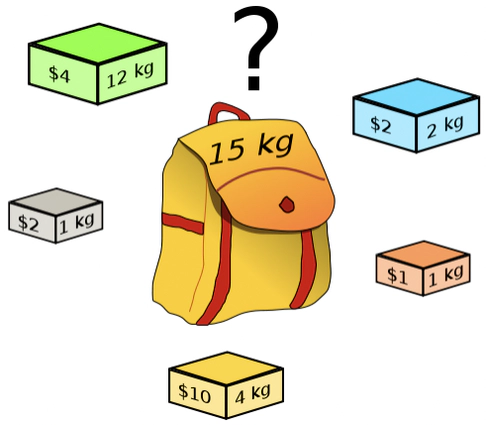
세 번째 주제는 최적화와 관련된 배낭 문제입니다. 배낭에 담을 수 있는 최대 질량이 정해져 있을 때, 각기 다른 질량과 가치를 가진 물건들을 어떤 조합으로 최대한 높은 가치의 합을 챙길 수 있을까?
단순하게 생각해보면 질량 대비 높은 가치를 가진 물건들만 담으면 되겠지만, 실상에서는 이러한 접근법이 항상 통하지 않기 때문에 학계에서는 다양한 알고리즘들을 연구하는 중입니다.
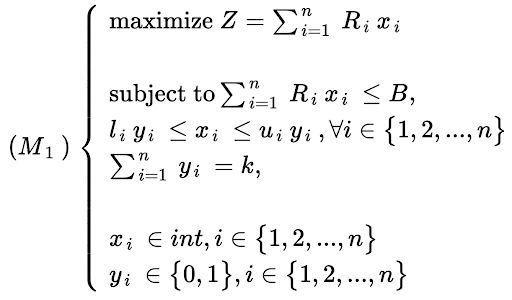
다음과 같은 정수 계획법(Integer Programming)을 이용해 문제를 모델링하고 풀 수 있습니다.
질량, 부피, 시간, 예산 등 다양한 자원의 한계를 고려해 최적화된 선택을 하여 최우선의 아웃풋을 낸다는 테마를 가지고 다양한 IA 주제를 생각해볼 수 있습니다.
- 한정된 스포츠 구단의 예산을 가지고 최고의 야구팀을 꾸리기 위해 각기 다른 연봉과 성적을 가진 선수 중 누구를 선발할지?
- 자산을 운용하기 위해 투자 포트폴리오에 어떤 주식 종목을 다뤄야 할지? (여러 주식 종목의 위험 지수와 수익 기대치를 적절히 밸런싱 해야 할 것입니다.)
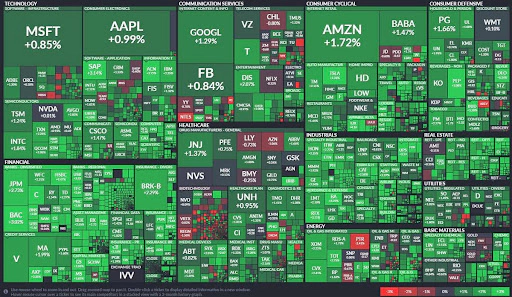
경영, 경제, 수학, 컴퓨터 공학에 관심을 가진 학생에게 적절한 IA 주제이며 이외에도 효율과 최적화에 관심이 많은 학생이라면 누구나 도전해보기 좋은 주제입니다.
4. 대기 이론 Queueing Theory
제 전공인 산업 공학에서 자주 연구하는 주제입니다. 대기열은 일상 어디에서나 다양한 형태로 발생합니다.
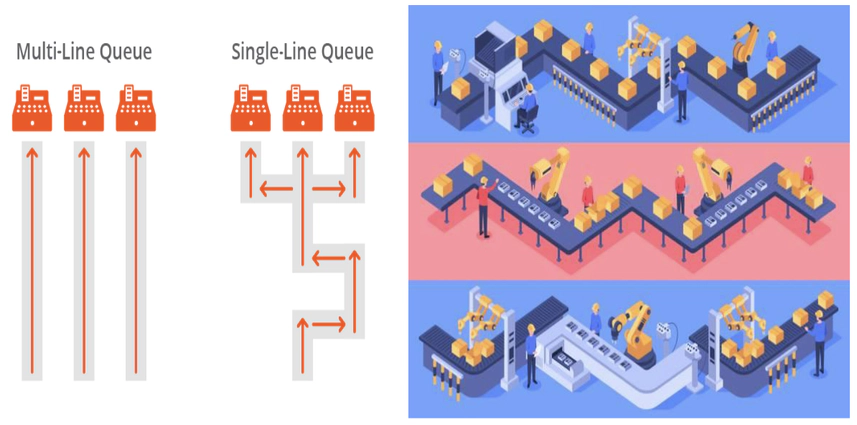
공장 생산 라인에 줄줄이 움직이는 부품들, 은행, 마트, 놀이공원 등에서 서비스를 기다리는 고객들 모두 대기 이론을 이용해 분석할 수 있습니다. MIT 교수 존 리틀이 만든 리틀의 법칙은 오늘날까지도 경영공학 곳곳에서 유용하게 쓰입니다.
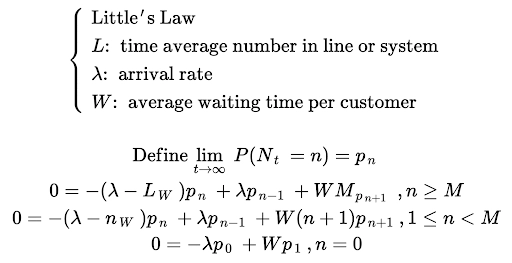
대기 이론을 응용해 다음과 같은 IA 주제를 고려해볼 수 있습니다. 고객들의 대기 시간을 최소화하고 싶은 은행은 창구를 몇 개 운용해야 할까? 화장실 칸 앞마다 대기열이 발생하는 것과 화장실 밖에서 한 줄로 서서 기다리는 것 중 더 나은 선택지는? 샌드위치를 효율적으로 만들기 위한 분업 시스템은?
관찰력이 강하고, 시스템을 분석하고 개선하는 것에 관심 있는 친구들에게 추천하는 주제입니다.
5. 최적화 Optimization
일정 부피의 음료를 담기 위해 최소한의 알루미늄 재질을 사용하는 깡통을 설계한다면 어떻게 해야 할까?
수학 HL을 듣는 친구들은 다음과 같은 수준의 문제들을 많이 접했을 것입니다.
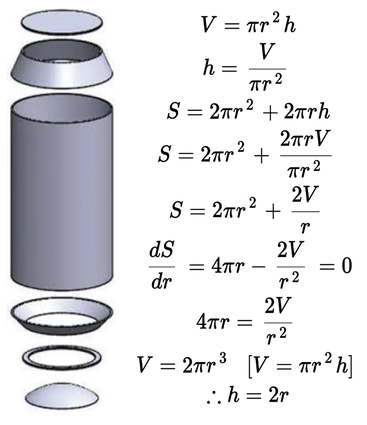
미적분(Calculus) 단원에서 미적분 단원에서는 최적화 문제가 비중 있게 출제되지만, 시험에서는 주로 변수 하나로 함숫값을 최대·최소로 만드는 문제가 나옵니다. IB 시험에서 최적화 문제를 여러 변수로 확장해 다루기에는 난이도도 너무 높고 문제를 풀 시간 또한 촉박할 것입니다.
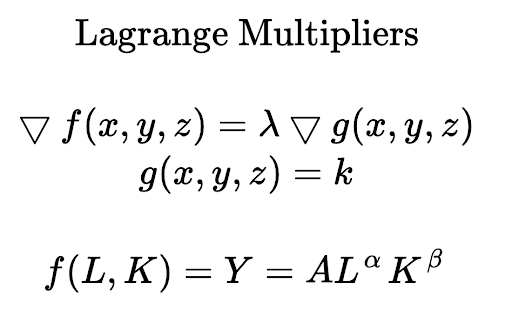
하지만 충분한 시간을 두고 작성할 수 있는 IA에서는 다변수 최적화 문제 풀이에도 도전해볼 만합니다. 창의적인 친구라면 주변 일상 혹은 논문 속에서 다양한 최적화 시나리오를 발굴해내고, 이를 라그랑주 승수법 등의 방법론을 도입해 풀어보는 것을 추천드립니다.
6. 최단 동선 찾기 Shortest Route Finding (feat. 재고 관리 Inventory Management)
A 지점에서 B 지점까지 제일 빠르게 도착하기 위해서 어떤 동선을 짜야 할까? 이 문제를 고민하기 위해 수많은 수학자가 고민하고 또 고민했습니다. 최근 개편된 IB 실라버스의 그래프 이론(Graph Theory)과도 접목시키기 쉬운 개념입니다.
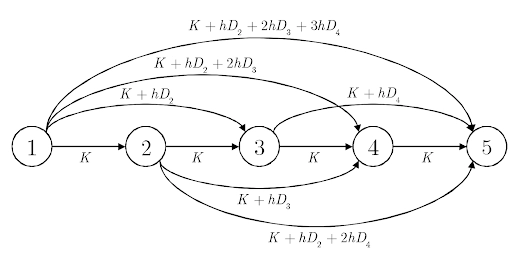

최단 동선 찾기 문제는 최소한의 비용으로 가장 빠른 해답에 도달하는 경로를 찾는 대부분의 문제에 응용될 수 있습니다. 제 연구 분야인 공급체인관리 (Supply Chain Management)에서도 심심치 않게 볼 수 있는 개념입니다.
재고관리 개념은 다음과 같은 시나리오에서 활용할 수 있습니다.
향후 10달 동안 우리 회사 제품의 수요를 예측할 수 있다면:
- 매달 초 공장을 가동해 생산 작업을 하는 것이 경제적일까?
- 재고가 바닥날 때마다 일정치의 제품량을 생산하는 것이 더 나은 방편일까?
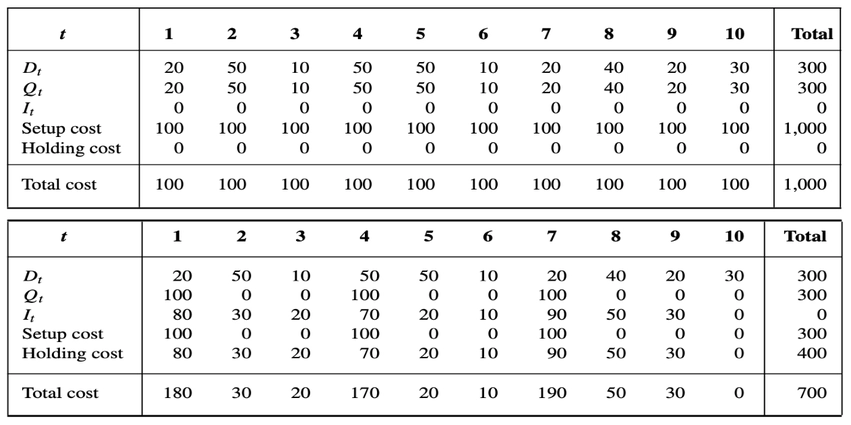
실제 기업이나 공공기관의 사례를 분석하고 해결책을 모색하며 정량적 문제해결능력을 기르기 좋은 exploration 주제입니다.
7. 포락선 정리 Envelope Theorem
예술에도 관심 많고 수학도 좋은데 어떡할지 모르는 학생들 주목!
실제로 많은 수학자가 수학 그 자체로부터 미학적인 기쁨을 느낀다고 합니다. 아름다운 곡선들을 수식으로 완벽히 풀어 설명할 수 있다면 얼마나 재밌을까? 직선만을 이용해서 곡선을 표현할 수는 없을까?
포락선(envelope)의 개념을 이용하면 가능합니다.
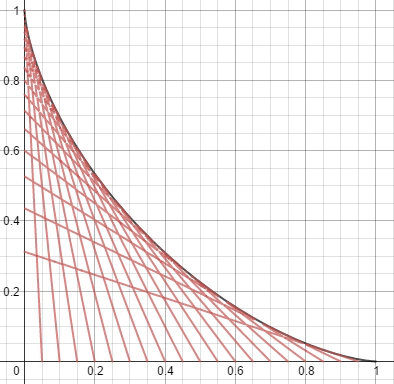
포락선이란 한 곡선족(family of curves)에 속하는 무한개의 곡선에 모두 접하는 곡선이고 아래의 미분방정식을 이용해 그릴 수 있습니다.

수학적 감각을 가진 예술가로 성장하고 싶은 학생, 수학에 미(美)치고 싶은 학생에게 적극적으로 추천해 드리는 주제입니다.
결론
그럼 이상으로 고득점을 위한 IB 수학 IA 7가지 주제에 대해 살펴보았는데 IB 학생들에게 많은 도움이 되시길 바라겠습니다.